

Key takeaways
- Sole traders keep all profits after paying income tax and Class 4 National Insurance, with no corporation tax or dividend tax to navigate.
- Setting up as a sole trader costs nothing beyond HMRC registration and can usually be done online in a single sitting, unlike a limited company.
- Sole traders retain full decision-making control without shareholders, directors, or statutory filings at Companies House.
- Sole trader accounts remain private: only HMRC sees the business finances, unlike limited companies whose accounts and director details appear on the public Companies House register.
- Unlike a limited company, a sole trader carries unlimited personal liability for business debts, so personal assets are at risk if the business fails.
Introduction
Sole traders form the backbone of the UK’s business landscape. As of 2024, there were 3.1 million sole traders, making up 56% of all private sector businesses. This structure appeals to many entrepreneurs due to its simplicity, flexibility, and full control over decision-making. Whether you’re starting a new business or looking for a straightforward way to run your business, operating as a sole trader comes with several benefits. Let’s explore why so many business owners choose this route. But first, let's understand what sole trader is:
What is a Sole Trader?

A sole trader, also known as a sole proprietor, is an individual who runs a business on their own without any legal distinction between themselves and the business entity. They have full control over the business, bear unlimited liability for its debts, and are entitled to all profits.
Let's explore 10 sole trader advantages.
10 Sole Trader Advantages
1. Complete Control and Greater Flexibility
2. Easy Set-up
3. Low Registration and Start-up Costs
4. Lower Accounting Fees
5. Greater Privacy
6. No Sharing of Profits (although so is any debt)
7. Less Paperwork
8. Simplified Taxes
9. Organizational Flexibility
10. Direct Interaction with Customers
1. Complete Control and Greater Flexibility
As a sole trader, you have the unique opportunity to shape your business according to your own vision and values.
Sole traders have sole ownership and full control over all aspects of their business—from how day-to-day operations are carried out to the long-term goals and strategic direction of the company. This agility allows you to adapt quickly to market trends, customer preferences, and emerging opportunities, giving you a competitive edge in a dynamic business environment.
Unlike with other business structures, you won’t have to consult shareholders, directors or partners. You’re able to make decisions on your own, act on them swiftly and remain adaptable and responsive to the needs of your customers and changes in the business landscape.
The freedom to have complete control over your business also extends to your working style and schedule. Unlike traditional employment, where you may be bound by fixed hours and organizational policies, being a sole trader enables you to set your own work hours, take vacations as needed, and enjoy a flexible work-life balance.
Additionally, as a sole trader, you have the flexibility to experiment with diverse business ideas, explore new markets, and pivot your strategies when necessary.
2. Easy Set-up

Another key advantage of being a sole trader is the simplicity and ease with which you can set up your business. Compared to other business structures, such as partnerships or corporations, the process of establishing yourself as a sole trader involves fewer legal requirements, paperwork, lower costs, and minimal administrative burdens.
Setting up as a sole trader is a breeze. All you need to do is to notify HMRC that you’re self-employed (this is done via registering for Self Assessment online), and choose a business name. This simplicity saves you time and resources, allowing you to focus on the core aspects of your business right from the start.
You’ll be able to start trading right away, unless you’re running a type of business that requires a license to operate legally. If you aren’t sure about which licenses you may need, you can find out using HMRC’s license finder tool.
3. Low Registration and Start-up Costs
As a sole trader or a freelancer, you can avoid the costs associated with more complex business structures. For example, there is no need to pay fees for incorporating a company or drafting intricate partnership agreements. In fact, you don’t have to be registered at Companies House, and as such do not have to pay additional fees (registering as self-employed with HMRC is free).
Additionally, you may have lower accounting and legal costs, as the financial records and reporting requirements for sole traders are often less demanding than those of larger entities.
However, even with low start-up costs, if you offer specialist or client-facing services, it is wise to get professional and negligence insurance. This insurance protects you if a client claims your work caused them financial loss or harm. This protection means that one mistake or misunderstanding will not risk your business's money or good name. Plus, there’s little need to engage the services of a company formation agent or solicitor while setting up either, so there are minimal fees involved.
4. Lower Accounting Fees
Sole traders have fewer reporting requirements and deadlines. There's less accounting work involved, which translates into lower accounting fees.
As a sole trader, you can benefit from simplified financial reporting requirements, streamlined record-keeping, and a reduced need for complex accounting services. For example:
- Your financial reporting requirements are typically less complex and time-consuming compared to larger business entities. Instead of preparing extensive financial statements and reports required by corporations, you may only need to maintain basic records of income and expenses.
- The taxation process for sole traders is generally simpler than that for corporations or partnerships. Rather than dealing with complex tax structures and multiple tax filings, sole traders usually report their business income and expenses on their personal tax returns.
- As a sole trader, you have the option to manage your own bookkeeping and financial records. Utilizing accounting software or online tools, you can maintain accurate records of income and expenses, track invoices, and generate financial reports.
As a sole trader, you will also likely experience less administrative overhead compared to other business structures. For instance, you will not be required to hold regular board meetings or adhere to formal corporate governance procedures.
It is important to note that, as a sole trader, you may still need to comply with certain legal and tax obligations, such as registering for taxation purposes, obtaining necessary licenses or permits, and fulfilling your tax reporting requirements. You can always hire a sole trader accountant to bring expertise in financial management, tax planning, and compliance, allowing yourself to focus on core business activities.
5. Greater Privacy
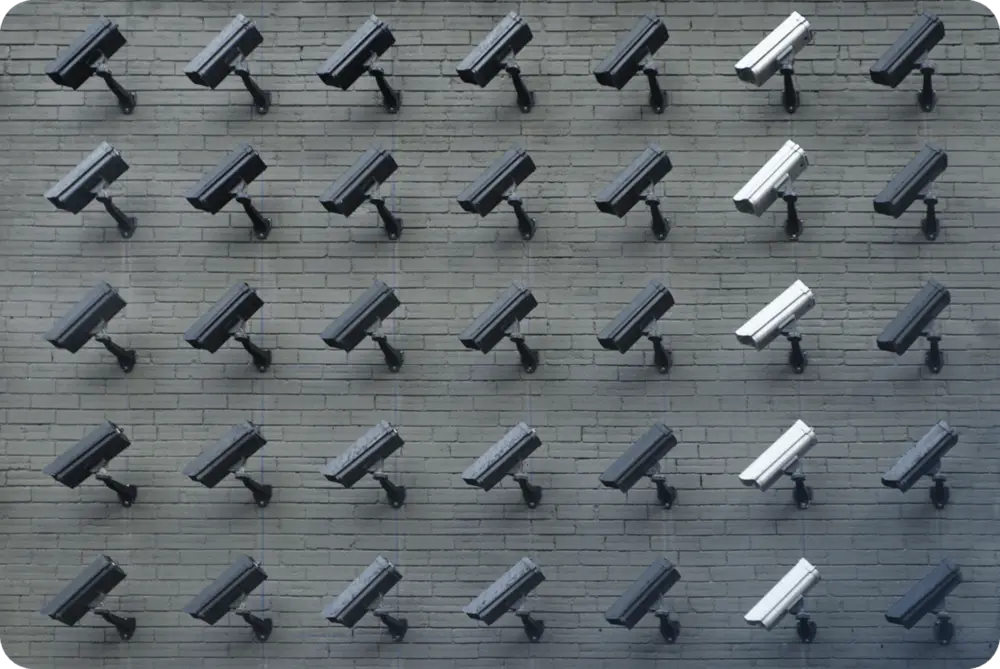
If you’re running a limited company, your accounts, along with specific details about the company’s directors are made publicly accessible through the Companies House website.
This isn’t the case for sole traders because, unlike limited companies, traders and those offering a personal service are protected by HMRC’s taxpayer confidentiality rules. Your financial and personal information, as well as your personal assets, business assets, and business information, are all kept private.
As a sole trader, you have the option to operate your business under your own name or choose a trade name. This allows you to maintain anonymity and keep your personal identity separate from your business activities.
In addition to having greater privacy, this also provides a competitive advantage for sole traders, as it makes it more challenging for competitors to gather information about your business - something quite easy to do if you are a limited company.
6. No Sharing of Profits (although so is any debt)
As an independent trader, you don’t have partners or shareholders to pay or share profits with, and as such enjoy sole control of the business profits. This legal distinction makes all the profits yours, even when you raise capital for your business. Naturally, this also means that, as someone in a self-employment scheme, you are personally liable for your business debts.
While sole traders do not have the same level of legal separation between personal and business assets as incorporated entities, the simplicity of the sole trader structure can still provide some advantages. In most cases, as a sole trader, you have full control over your business profits, and you are personally entitled to the rewards of your efforts.
This straightforward ownership structure can simplify financial management and make it easier to track and allocate your income streams.
7. Less Paperwork
As a limited company director, you’re required to file a confirmation statement, company tax return, annual accounts and other event-based filings to Companies House.
However, you’ll be able to do away with these when you operate as a sole trader business—which means there’s considerably less paperwork involved and fewer administrative tasks to deal with.
8. Simplified Taxes
As a sole trader, you have a straightforward and streamlined tax process compared to other business structures. Here are some important details to understand:
- Self-Assessment: As a sole trader, you are responsible for reporting your business income and expenses on your self assessment tax return. This eliminates the need for separate corporate tax filings, making the tax process more straightforward.
- Income Tax: Your business income is treated as your personal income, and you will pay income tax on your profits at the applicable personal income tax rates. This simplicity eliminates the complexities of corporate tax rates and ensures that you have a clear understanding of your tax obligations.
- National Insurance Contributions (NICs): As a sole trader, you will also need to pay NICs on your profits. The NICs include both Class 2 and Class 4 contributions, which cover your entitlement to state benefits and your contributions towards the state pension.
- Record Keeping: It is essential to maintain accurate and organized records of your business income, expenses, and receipts to support your tax calculations. By keeping track of your financial transactions, you can ensure compliance with tax regulations and make the tax filing process smoother.
- Tax Deductions: As a sole trader, you can claim allowable business expenses to reduce your taxable profits. These expenses may include costs related to running your business, such as office supplies, equipment, travel expenses, and professional fees. By deducting eligible expenses, you can lower your overall tax liability.
- VAT (Value Added Tax): Depending on your business turnover, you may need to register for VAT. VAT is an additional tax that is charged on goods and services. If you are VAT registered, you will need to account for VAT on your sales and claim VAT on your purchases. However, if your turnover is below the VAT threshold, you may be exempt from VAT registration.
Of course, you will still need to pay income tax and make sure you have public liability insurance.
9. Organizational Flexibility
It’s much easier to start out as a self employed, than to form a limited company from day one. That’s because as a limited company director, you’d have to undergo the process of dissolving your company and stepping down as a director should you decide to change your business structure.
The process of converting your trader business to a limited company is comparatively simpler. By submitting an online application to the Government agency, you can get approved in as soon as three working days.
10. Direct Interaction with Customers

As the sole operator of your business, you have the opportunity to personally engage with your customers, build relationships, and provide a high level of customer service. This direct interaction allows you to understand your customers' needs, preferences, and feedback firsthand, enabling you to tailor your products or services to meet their expectations.


