

Key takeaways
- Self-employed individuals in the UK must register with HMRC for Self Assessment by 5 October following the end of the tax year in which they started trading.
- Registering as self-employed is free and can be completed online through the HMRC Government Gateway, which also provides a Unique Taxpayer Reference (UTR).
- Self-employed workers pay income tax on business profits plus Class 4 National Insurance at 6% on profits between £12,570 and £50,270 for 2025/26.
- VAT registration is required once taxable turnover exceeds £90,000 in a rolling 12-month period; voluntary registration below the threshold is also possible.
- HMRC requires self-employed individuals to keep business records for at least five years after the 31 January Self Assessment filing deadline.
Registering as Self Employed
Do you want to work for yourself but are unsure where to begin? You are most certainly not alone. As of the first quarter of 2025, there were approximately 4.4 million self-employed people in the UK, and this number continues to rise annually, according to Statista. Every year, thousands of people in the UK begin freelancing, start side hustles, or set up as sole traders, only to get confused by the rules around registering as self-employed.
Becoming self-employed is both scary and exciting at the same time. Questions like "Do I need to tell HMRC?", "When is the right time to register?", and "What if I already have a job?" may be on your mind. These are all valid questions, and getting them wrong could result in penalties, missed deadlines, or unexpected tax liabilities.
Don't worry, though! Once you know what's needed, registering as a self-employed person is actually easier than it would seem. The key is knowing when and how to register with HMRC, regardless of whether you're selling goods, services, or earning money online.
This guide is here to take you through everything you need to know, step by step, so you can stay on the right side of the law and concentrate on growing your business with confidence.
Ready to get started? We've got all the information you need below:
What does it Mean to be Self-employed?
Generally, you’re considered self-employed if you run your own business, take responsibility for its success or failure, and have control over how you work. This means you don’t work under an employer, and you typically decide your own hours, choose your clients, and charge for your services. You're likely to be self-employed if the following factors apply:
- You run your own business
- You're able to decide when and how you work, as well as what you work on
- You have the option of hiring other people
- You have more than one client or customer concurrently
- You aren't paid a regular wage or salary
- You receive income that isn't taxed under PAYE for goods or services you provide
It's also possible to be employed and self-employed at the same time, such as when you're doing freelance work on top of your day job.
Tip: If you're still unsure, check out the HMRC's Check Employment Status for Tax (CEST) Tool. You'll be asked a series of questions to determine your employment status. You can also contact HMRC to ask about your employment status.
Why Do You Need to Register as Self-employed?
Registering as self-employed is a legal requirement in the UK if you work for yourself, run your own business, or earn income outside of regular employment. It ensures you comply with tax regulations, allowing you to report your income and pay the right amount of tax and National Insurance.
Who Needs to Register as Self Employed?
If you’re earning money on your own instead of through an employer, you might need to register as self-employed with HMRC. In the UK, anyone who runs a business or earns income outside of a regular job like freelancers, sole traders, or gig workers, has to register if they meet certain criteria.
You need to register as self-employed if:
- You operate your own business as a sole trader.
- You earn over £1,000 in a tax year from self-employment (this is known as your trading allowance).
- You want to claim expenses against your self-employment income.
- You’re part of the gig economy (think delivery drivers or ride-share drivers).
- You provide services independently (like hairdressers, photographers, or consultants).
- You’re a partner in a business partnership.
- You sell goods or services with the aim of making a profit, even if it’s just a side hustle.
Even if you have a full-time job, making extra money on the side can still be considered self-employment. For example, if you create and sell items on Etsy, tutor students, or offer freelance writing or design services, you’re likely seen as self-employed and need to inform HMRC.
Let’s look at some common scenarios where you would need to register as self-employed:
- Freelancers: Writers, designers, photographers, and consultants who work independently for various clients.
- Contractors: Builders, electricians, and IT professionals who take on short-term projects for different companies.
- Small Business Owners: People who run their own shops, online stores, or home-based businesses.
- Tradespeople: Plumbers, carpenters, and decorators who offer their skills and services directly to customers.
- Gig Economy Workers: Individuals who drive for ride-sharing apps, deliver food, or offer other on-demand services.
You'll need to register as self-employed if you're setting up as a sole trader or partnership.
You won't need to register if you're setting up a limited company, as you'll be considered as both the owner and an employee of the business. This process is more complicated, and we've covered this in a separate article on setting up a limited company.
When Do You Need to Register as Self-employed?
As per gov.uk, you should register as self-employed as soon as you start earning money from your business or freelance work. The general rule is that you must register with HMRC by 5th October in your business's second tax year. For example, if you started working for yourself in July 2025, you would need to register by 5th October 2026. This gives you enough time to inform HMRC about your self-employment status and prepare for your first tax return.
If you fail to register within three months of starting your business, you'll be charged a fine of £100. Further delays may result in additional penalties.
Steps to Register as Self-employed for the First Time
Registering as self-employed in the UK is a straightforward process. Here’s a step-by-step guide to help you through it:
Step 1. Go to the HMRC Website:
Start by visiting the HMRC website.
Step 2. Create a Government Gateway Account:
If you don’t already have one, you’ll need to create a Government Gateway account. This will give you access to HMRC’s online services.
Step 3. Fill in the Registration Form:
Once logged in, find the option to register as self-employed and fill out the form with your details. This includes:
- The type of tax you want to register your business for (Self-Assessment)
- Type of your business
- The date you started working for yourself
- National Insurance number
- Home address and contact details
- The type of self-employed work you do
- Business contact details
Step 4. Submit the Form:
After completing the form, submit it online. HMRC will process your registration and send you a confirmation.
Step 5. Receive Your Unique Taxpayer Reference (UTR):
HMRC will send you a letter with your UTR, which you’ll need for future tax returns.
Check below video by HMRC on how to register for self assessment if you are self-employed:
How to Register for Self-assessment?
When you become self-employed, you usually register for Self Assessment at the same time. But even if you’re not self-employed, you can still sign up by creating a Government Gateway account and completing the relevant form.
If you earn less than £1,000 in self-employed income during the tax year, you might not need to register due to the trading allowance. That said, it can still be useful to register. Doing so allows you to claim business expenses and make National Insurance contributions, which can count towards your state pension.
How to Register as a Self-employed Sole Trader?
Being self-employed and being a sole trader are not exactly the same. A sole trader refers to the type of business structure, while self-employed describes how you manage your tax obligations. As a self-employed individual, you can operate under various business structures, such as a sole trader, limited company, or partnership. In essence, sole traders are self-employed individuals who fully own and run their business.
So, how do you register as a self-employed sole trader? It’s straightforward.
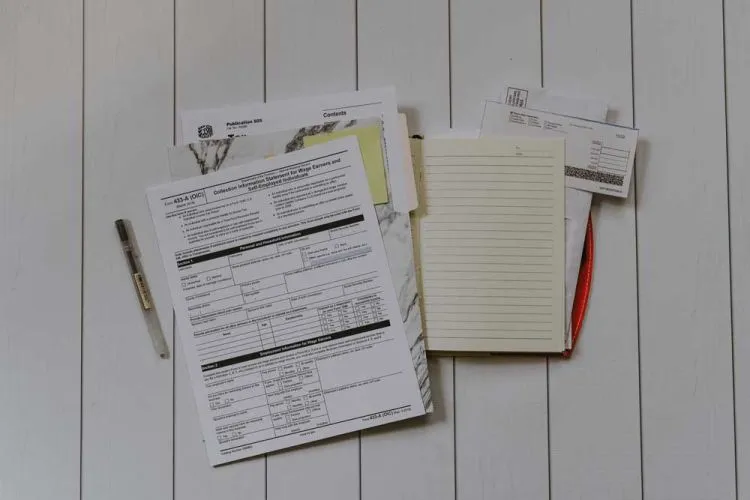
- Online: Fill in this form if you've sent a return online before. If you haven't sent a return online previously, you'll need to register first.
- Or by post: Fill up this form, print it out and then post it to HMRC.
If you're setting up a partnership, you can register:
- Online: Use the online form service
- Or by post: You can register the partnership using form SA400. Use form SA401 to register as a partner.
Tax Responsibilities of Self-employed
As a self-employed individual, there are several key legal obligations you need to fulfil. These include:
Income Tax:
As a self-employed person, you need to file an annual Self Assessment tax return with HMRC. This return calculates your income tax based on your earnings after deducting allowable business expenses. You’ll pay tax on your profits, which is your income minus expenses. Consider availing self assessment service if you are not pro at tax obligations and doing it yourself.
Key Deadlines:
- 31st January: The deadline to file your Self Assessment tax return and pay any tax you owe for the previous tax year.
- 31st July: If your tax bill is high, you might need to make a second payment on account by this date.
National Insurance Contributions (NICs):
In addition to income tax, you also need to pay National Insurance Contributions (NICs). There are two types of NICs for self-employed individuals:
- Class 2 NICs: These are paid if your profits are above a certain threshold (currently £12,570 per year). Class 2 NICs contribute towards benefits like the State Pension.
- Class 4 NICs: These are based on your profits and are paid if your earnings exceed a higher threshold. Class 4 NICs are calculated as a percentage of your profits.
Register for VAT:
If your business turnover exceeds £90,000 in a 12-month period, you must register for VAT. This means you’ll charge VAT on your services or products and submit VAT returns to HMRC. Even if your turnover is below this threshold, you may choose to register voluntarily to reclaim VAT on business purchases.
Maintaining Proper Records
Fulfilling other legal obligations, such as filing your tax return correctly is made easier when you maintain proper records. Be sure to keep track of all sales and income, expenses, as well as payroll records if you have employees.
Ensure that you've kept a copy of important documents-such as receipts, bank statements and invoices. After you've filed your tax return for a specific year, all relevant documents pertaining to that year must be kept for five years. That's because HMRC may ask to review these, and you can be fined for failing to keep records.
Do I get extra support with registering as self-employed if I have additional needs?
You can reach out to HMRC extra support team to get extra support if your health condition or personal circumstances make it difficult to contact. An individual may require extra support if he or she:
- Has dyslexia, autism or cognitive difficulties
- Has reduced mobility or physical disabilities
- Has sensory disabilities, like a visual, hearing or speech impairment
- Has mental health conditions, like depression, stress or anxiety
- Is experiencing financial hardship
- Is a victim of domestic abuse, including economic abuse
- Is hospitalised
HMRC can help in a variety of ways, including extending deadlines, providing information in a different format, organising an interpreter and more. Further information is available on Gov.uk’s extra support resource.
What insurance is required for the self-employed?
Professional indemnity insurance, public and product liability insurance, business contents insurance, employers’ liability insurance, management liability insurance and cyber insurance are some examples of covers that self-employed workers - such as freelancers, contractors and small business owners - typically need.
Your insurance needs will vary, depending on factors such as the type of work you do, whether you’re hiring employees or if your clients require you to have a certain type of insurance cover.
For instance, if you have employees, having employers’ liability insurance is mandatory in the UK. Or if you’re subcontractor for a primary contractor, you may be required to have public liability insurance.
If you need help with deciding on the type of cover you need, refer to our article on key questions you should ask yourself before you get business insurance.
Registering as self-employed in the construction industry
For self-employed registration in the construction industry, you must register for the Construction Industry Scheme (CIS) to make sure you are paying the right amount of tax. Construction workers who don’t register for CIS pay 30% tax instead of 20%.
How to Register for Self-assessment if You are not Self-employed?
If you're not self-employed but need to register for self-assessment, the process is simple. Visit the HMRC website and create a Government Gateway account. Provide your personal details, including your income type, and complete the registration form. Once registered, HMRC will send you a Unique Taxpayer Reference (UTR) number, which you'll need to file your tax return. For guidance, check the helpful video from HMRC below:
How to Stop being Self employed?
Follow the below steps to stop being self-employed:
- Complete Outstanding Tax Obligations
- Deregister for Self-Assessment
- Complete and submit the Deregistration Form
- Wait for Confirmation by HMRC
- Update Your Records
- Cancel Other Business Registrations
Registering as self-employed is an important step for anyone who wants to work for themselves in the UK. It ensures you comply with the law, manage your taxes properly, and take advantage of the benefits of being your own boss.
If you’re ready to register as self-employed but need assistance, we’re here to help. You can always contact our accountant for self-employed or book a free consultation to discuss your requirements. Our expertise can guide you through the complexities, making the registration process efficient and stage the way for a successful self-employed journey.


